A Practical Guide to Slab Leaks

Slab Leak Basics Explained

The idea of slab leaks can be daunting, as hidden water beneath a concrete foundation can undermine the structure and finishes before obvious symptoms appear. Early recognition and prompt action reduce disruption, control costs, and protect long-term value. This guide explains what slab leaks are, common warning signs, and typical causes—plus how related systems, such as a water heater, can be affected.

What Are Slab Leaks?

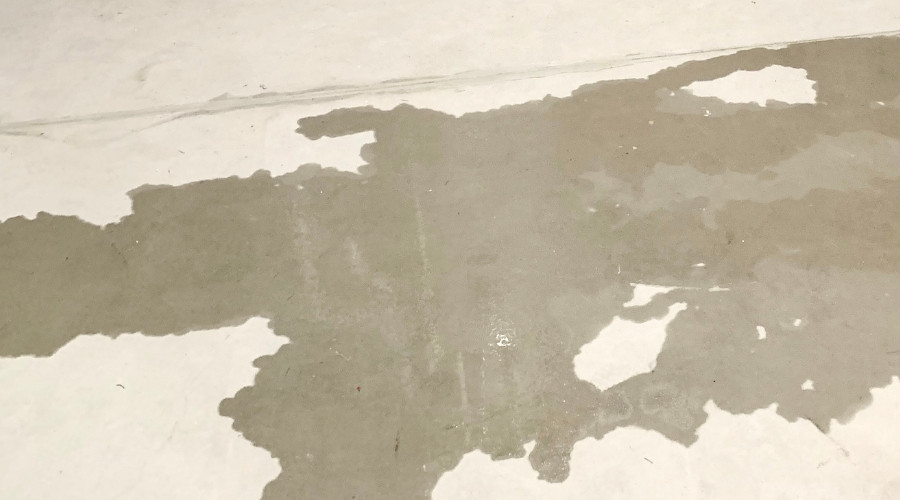
A slab leak occurs when plumbing lines buried under a concrete slab develop cracks, pinholes, or failed joints. Pressurized water then seeps into the surrounding soil, softening the base that supports the structure and traveling upward through concrete pores into flooring and walls. Over time, this moisture can lead to uneven settling, cracking, and interior water damage.

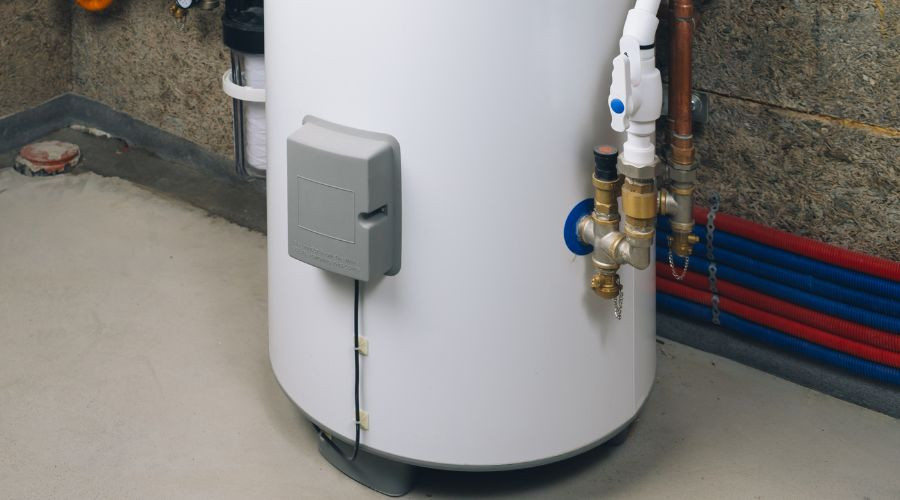
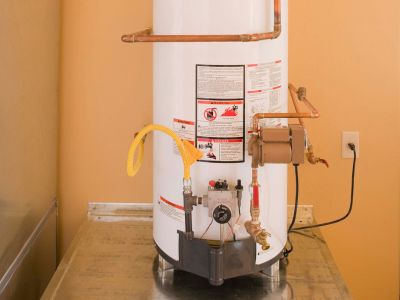
Because many homes run both hot and cold water lines under the slab, symptoms can vary. Hot-water leaks often create localized warm spots on hard floors and may cause a water heater to cycle more frequently. In some cases, extended runtimes can stress components in a gas water heater or an electric water heater as the system tries to keep up with continuous demand. After a power outage, certain signs may diminish temporarily as equipment resets, only to return once systems resume normal operation. Persistent dampness around mechanical areas also deserves attention, particularly if any unusual odor suggests a gas leak near a gas water heater.

Hidden leaks are not always obvious at first. By the time staining, warping, or a musty smell becomes noticeable, water may have been present for weeks. That delay is why early awareness and professional evaluation are important when symptoms first arise.

Signs of a Slab Leak
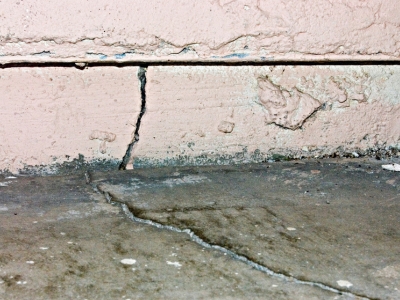
crack Detecting indicators early helps limit damage and the scope of repairs. Common signs of slab leaks include:

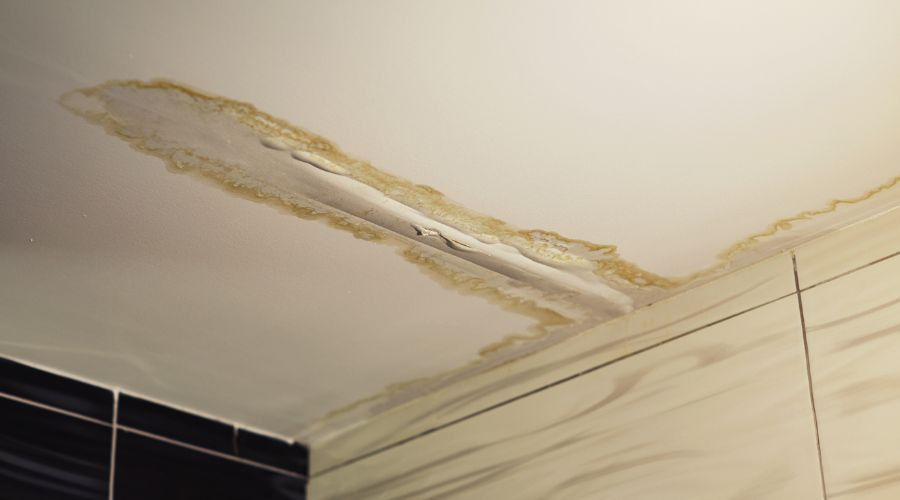
  • Damp or discolored areas on floors that don’t fully dry
  • A persistent earthy or musty odor, especially in lower levels
  • New cracks in floors, walls, or the foundation
  • Warm spots on the floor
  • Flooring damage, such as cupped hardwood, loose tiles, or rippled carpet

Utility clues can also point to trouble. A steady rise in water usage without a clear explanation often signals an unseen leak. Water heating demands may also increase if a hot-water line is affected, causing a water heater to run longer than usual and cost more to operate. In some households, the first sign is continuous meter movement when all fixtures are off.

Common Causes of a Slab Leak
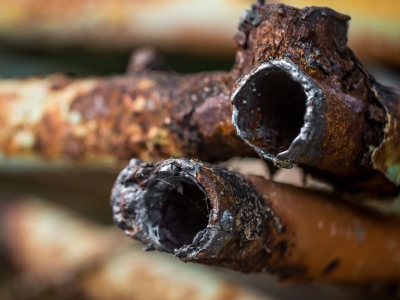
old pipes Multiple factors can lead to slab leaks:

  • Pipe corrosion: Metals can degrade over time, especially where water chemistry or soil conditions are aggressive. Pinhole leaks often begin small and expand gradually.
  • Ground movement: Expansive soils, seasonal moisture changes, and settlement can stress rigid lines under the slab, causing cracks or joint separation.
  • Excessive pressure and temperature cycling: Repeated expansion and contraction, as well as high pressure, can fatigue pipe walls and fittings. Thermal changes from water heating over many years add to the strain on hot-water lines.
  • Installation issues: Inadequate support, sharp bends, or abrasive contact points can produce wear that eventually leads to leaks.
  • Intrusive roots and surrounding materials: Tree roots seeking moisture, along with chemical interactions between concrete and metals, may accelerate deterioration.

Because the source and severity vary, repair strategies differ case by case. Some situations are resolved with a targeted access point and localized pipe repair. Others are better suited to rerouting sections of the line to bypass stressed areas. Accurate detection helps avoid unnecessary demolition and guides the most practical path forward.

Acting promptly when signs emerge limits long-term issues such as mold, persistent odors, or structural concerns. With proper diagnosis, focused repairs, and attention to nearby equipment, properties can return to stable operation quickly and with fewer surprises.

About DRIP Plumbing

DRIP Plumbing is the go-to plumbing company in Denton, offering on-time service from knowledgeable technicians utilizing the latest technology. Call them today for slab leak repair in Denton, TX.

Distribution Links +

The Essentials of Regular Plumbing Maintenance

Benefits of Scheduling Annual Plumbing Maintenance

Homeowners who schedule annual plumbing service make a wise investment in both their property and peace of mind. Professional maintenance promotes optimal system efficiency, reduces the frequency of repairs, and prolongs the life of fixtures, appliances, and piping. This regular care helps protect against costly water damage while supporting a comfortable, safe, and budget-friendly home environment.

Better Efficiency

save money Improved efficiency is one of the most significant benefits of consistent plumbing maintenance. During a routine service call, a skilled plumber can detect and address hidden leaks or signs of wear before they escalate into larger issues. This proactive care prevents excess water usage, improves the system’s overall water efficiency, and helps homeowners cut down on monthly utility expenses. 

Water heater inspections and tune-ups also play a vital role, keeping the unit operating at optimal performance for maximum energy savings. With both water and energy use optimized, homeowners can enjoy noticeable reductions in costs over the long run while also extending the life of their plumbing system.

Fewer Problems and Repairs

sinkPlumbing maintenance services also significantly reduce the risk of unexpected plumbing problems. By scheduling routine inspections, homeowners give their plumber the opportunity to spot small issues and fix them early. This prevents problems from escalating into major plumbing repairs that can be more expensive and disruptive. Regular upkeep keeps the plumbing system running smoothly, avoiding unnecessary breakdowns and emergencies.

Longer Lifespan

Another major benefit of regular plumbing maintenance is an extended lifespan for pipes, fixtures, and appliances. When plumbing components are well cared for, they experience less strain and wear, which delays the need for a plumbing replacement. Preventing premature deterioration not only saves money but also ensures the home’s plumbing system remains reliable for many years.

About DRIP Plumbing

DRIP Plumbing is a family-owned and operated company serving northern Denton and Collin Counties, offering same-day service, honest pricing, and exceptional customer care. Call them today for reliable plumbing services in Denton, TX

Distribution Links +

Making the Choice Between Electric and Gas Water Heaters

Pros and Cons of Different Water Heaters

Choosing between an electric water heater and a gas water heater can feel challenging, especially when rising utility bills add financial pressure. For households seeking savings and simplified home maintenance, this guide provides expert insights into the benefits and drawbacks of gas and electric heaters, as well as key factors to consider before making a decision on water heater installation.

Gas Water Heater

water heater A gas water heater offers faster heating capabilities and lower monthly energy costs than electric models, making them a more economical choice. These systems also heat water nearly twice as fast as electric water heaters.
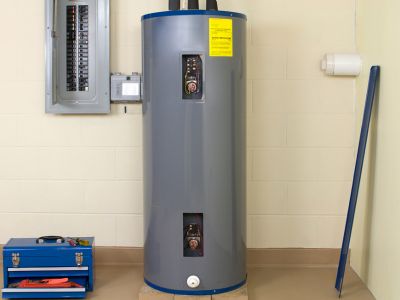
However, gas water heater installation involves several important safety considerations. Gas leaks present serious fire and health risks if not properly managed. These units require professional setup, including the installation of a safe gas line and adequate venting systems to expel combustion gases.

The infrastructure required can be a significant deterrent for homeowners focused on limiting upfront expenses, as homes without existing gas service may face installation costs that range into the thousands for new gas line connections. Additionally, creating proper venting through walls or roofs increases complexity, making gas water heaters less ideal for certain home layouts or multifamily buildings.

Electric Water Heater

water heater An electric water heater offers reliable hot water delivery through simple resistance heating elements. These models are especially appealing due to their easier installation and enhanced safety features. Electric water heater installation costs less than gas alternatives, as there’s no need for venting or gas lines.

Electric water heaters also provide a safety advantage. They eliminate the risks associated with gas leaks, carbon monoxide, and combustion. Additionally, electric models tend to outlast gas units by several years.

That said, electric water heaters have higher long-term operating costs. This results in electrical models costing up to twice as much as their gas heater counterparts annually. Electric systems are also vulnerable during a power outage, becoming inoperative until service is restored.

Factors to Consider Before Installation

Existing infrastructure significantly influences the choice between an electric or gas water heater. The threat of power outages makes a gas water heater a more resilient option for uninterrupted hot water access, as gas models do not rely on electricity, and they continue to function during outages.

However, gas water heater installation requires access to natural gas lines or propane. New gas hookups may cost between hundreds and even thousands of dollars, depending on the home’s configuration and the utility provider’s requirements. For properties already equipped with gas appliances, these installations may be more straightforward.

Safety remains a key factor. Electric water heaters avoid the hazards associated with gas leaks and carbon monoxide exposure. They typically require only an electrical connection and minimal ventilation. In contrast, gas units demand expert installation to ensure proper leak prevention and combustion gas venting. For many homeowners, the peace of mind that comes with choosing an electric model is a decisive factor.

About DRIP Plumbing

DRIP Plumbing is a family-owned and operated company providing reliable plumbing services in Denton and the surrounding areas. They pride themselves on integrity and compassion, offering honest answers and fair pricing on the latest technology from trusted plumbers. Call them now for water heater repairs and installations in Denton, TX.

Distribution Links +

Common Signs the Garbage Disposal Needs to Be Repaired or Replaced

When to Call for Garbage Disposal Service

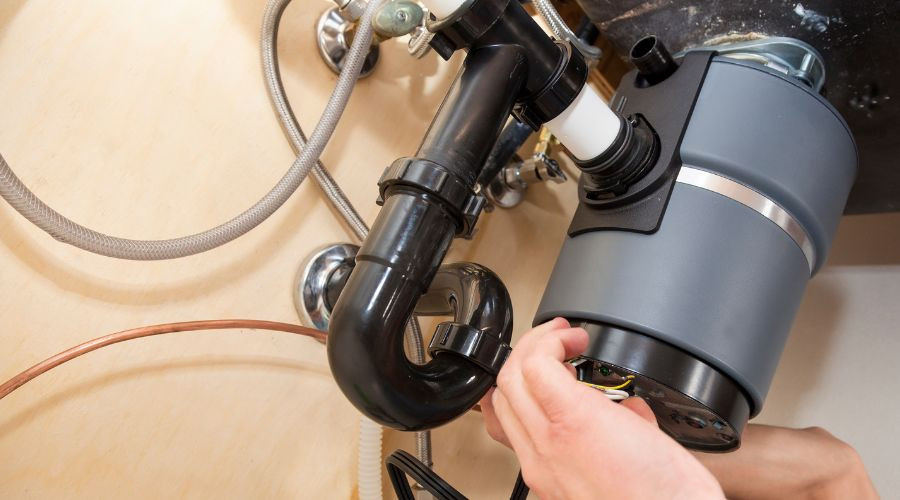
Clanking sounds or persistent foul odors often indicate problems within the garbage disposal system. These warning signs typically suggest the need for repair or replacement before the damage worsens. By identifying early symptoms, such as leaks, jams, and unusual noises, more costly issues and unexpected breakdowns can be avoided. The following guide highlights some of the most common indicators that garbage disposal repair or replacement is needed.

Strange Noises

sounds Garbage disposals should operate with a consistent sound. Unusual noises, however, are often a sign of internal problems that demand prompt attention.

Humming Without Grinding Action
A humming sound without active grinding typically means the unit is jammed. This occurs when objects, such as utensils, bones, or large food scraps, become lodged between the impeller blades and the grinding chamber. While the motor continues running, it is unable to turn the blades. Prolonged operation in this state may cause motor burnout within minutes.

Screeching and Metal-on-Metal Sounds
High-pitched screeching or metal-on-metal noises suggest bearing failure or damaged impellers scraping the interior walls. These issues reduce grinding performance and often indicate severe internal wear. Unlike minor jams, this level of damage usually requires professional repair or full replacement.

Rattling and Clattering Noises
Rattling sounds often result from loose mounting components or broken internal parts. Excessive vibration or shaking during use may indicate deteriorated motor mounts or dislodged hardware. According to the International Association of Certified Home Inspectors, units experiencing such vibration have a significantly increased failure rate within six months. Immediate inspection is recommended in these cases.

Leaks

leak Water pooling under the kitchen sink often indicates a leak in the disposal, which can lead to mold, cabinet damage, or other issues if left unaddressed. These leaks can come from several areas, including:

  • The mounting assembly at the sink connection
  • The discharge pipe leading to the drain
  • The unit’s bottom housing

Worn gaskets or deteriorated seals are the primary cause of most leaks. Moisture or water stains around the base of the disposal are early red flags. Once seals fail, water may damage internal electrical parts. According to HomeAdvisor’s 2023 appliance report, around 35% of disposal replacements are due to leak-related issues. While minor leaks can sometimes be repaired, replacement becomes more practical when multiple seals have failed or if the unit is old.

Bad Smells

Lingering foul odors are a common sign that the garbage disposal needs service, especially if the smell returns quickly after cleaning. These odors typically originate from trapped food debris lodged in hard-to-reach areas.

Simple cleaning methods, such as using ice cubes, baking soda, or citrus peels, can help eliminate surface odors. However, persistent smells often indicate internal damage, such as worn gaskets or compromised grinding components, that allow waste to collect in unintended areas.

According to the International Association of Certified Home Inspectors, nearly 30% of odor-related service calls are caused by internal mechanical problems rather than simple food buildup. If smells return within a few days of cleaning, this often indicates internal wear that requires professional attention. In such cases, complete replacement may be the most reliable and cost-effective solution.

About DRIP Plumbing

DRIP Plumbing is a family-owned and operated company serving northern Denton and Collin Counties. Known for its integrity and passion, the team combines the latest technology with trusted, licensed plumbers to deliver fast and reliable service. From water heater repairs to drain cleaning and leak detection, DRIP Plumbing offers expert solutions, straightforward pricing, and a strong commitment to customer satisfaction. Call them for garbage disposal services in Denton, TX

Distribution Links +

The Advantages of a Water Softener Installation

Why Soften Hard Water?

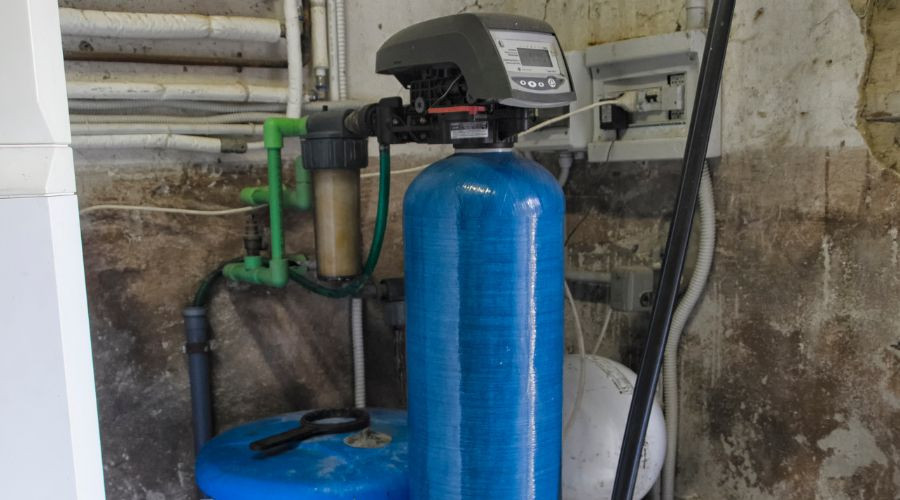
Hard water is a common issue that can cause buildup on appliances and surfaces, leading to long-term frustration and added maintenance. Installing a water softener provides a practical and cost-effective solution. With softened water, homeowners can enjoy smoother skin, cleaner dishes, and improved water quality throughout the home, resulting in both comfort and long-term savings. The following sections explore the key advantages of making this upgrade.

Protection for Plumbing and Appliances

Installing a water softener offers many benefits, including protection for plumbing systems and water-using appliances. Hard water contains minerals such as calcium and magnesium, accumulating over time inside pipes, fixtures, and equipment. This buildup restricts water flow, increasing the risk of corrosion and mechanical failure. By removing these minerals, a water softener helps maintain consistent water pressure and extends the life of the plumbing infrastructure. According to the Water Quality Association, homes with hard water exceeding 7 grains per gallon experience up to 30% more plumbing repairs than those using softened water.

Appliances such as dishwashers, washing machines, and water heaters also benefit. Softened water allows these systems to operate more efficiently, using less energy and detergent while avoiding the wear and tear caused by mineral deposits. Water heaters, in particular, can maintain up to 50% better efficiency when supplied with softened water.

The financial benefits are substantial. Appliances perform reliably, require fewer repairs, and enjoy extended service life. Softened water also enhances detergent performance, reducing the need for additional cleaning products. These savings, combined with reduced maintenance and repair costs, allow a water softener to pay for itself over time.

More Effective Cleaning

washer Water softeners significantly enhance cleaning outcomes by removing minerals that interfere with the performance of soap and detergent. With softened water, glassware and dishes emerge from the dishwasher spot-free, and sinks, tubs, and showers stay cleaner for longer without the stubborn white film caused by limescale or soap scum.

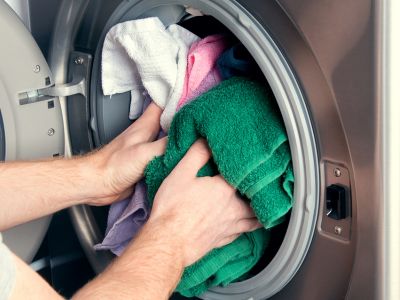
Laundry is another area where the benefits are immediate. Fabrics washed in softened water retain color better, stay softer, and experience less wear over time. Mineral buildup in hard water can cause clothing to feel rough and faded, while soft water helps preserve its texture and vibrancy.

Cleaning tasks also become less labor-intensive. Bathroom fixtures, kitchen sinks, and tile surfaces stay naturally cleaner, reducing the need for harsh chemicals and scrubbing. The Water Quality Association reports that homes with water softeners typically use up to 50% less soap and cleaning products, resulting in lower household costs and simplified maintenance routines.

Healthier Skin and Hair

dry hair Water softeners contribute to better personal care by eliminating the minerals that can irritate skin and damage hair. Hard water leaves a soapy residue that clogs pores and strips away natural oils, leading to dryness, irritation, and flakiness. When bathing or showering in softened water, skin retains more moisture and feels noticeably smoother.

This benefit is especially important for individuals with sensitive skin conditions such as eczema or psoriasis. Research published in the Journal of Investigative Dermatology indicates that hard water can increase skin pH levels and impair the skin’s barrier function, potentially aggravating inflammatory conditions by up to 35%.

Hair also responds well to softened water. Without mineral buildup, hair stays softer, shinier, and more manageable. Color-treated hair stays toned longer, and overall health improves within a few washes.

About DRIP Plumbing

DRIP Plumbing is a trusted, family-owned company proudly serving northern Denton and Collin Counties. With years of experience, licensed professionals deliver prompt, reliable service with transparent pricing and a dedication to superior customer care. Every technician undergoes thorough screening to ensure safety and peace of mind. Contact them for expert water softener installation and services in Denton, TX.

A Simple Guide to Sewer Video Inspection

Sewer Camera Inspection Explained

Sewer lines are crucial components of a home’s plumbing system, yet they often remain out of sight and out of mind until problems arise. Understanding the need for and process of a sewer camera inspection can save homeowners from costly and invasive repair methods. Here’s a deeper look into the reasons for conducting a sewer video inspection and the benefits of this non-invasive method.

Signs Sewer Video Inspection Is Needed

wet grass By utilizing advanced technology, sewer inspections with a camera enable professionals to accurately diagnose and address issues without the need for digging up yards, providing a smarter and less intrusive solution.
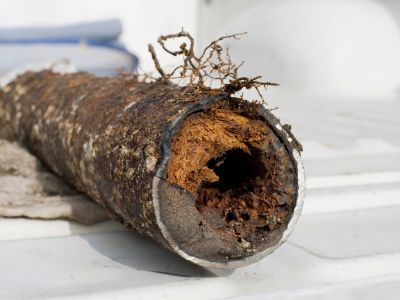
There are several warning signs suggesting a sewer video inspection may be necessary. Early detection of these problems can prevent severe damage and costly repairs:

  • Slow Drains: Drains that empty water more slowly than usual may indicate a blockage within the sewer line, which requires removal to allow normal water flow.
  • Backups: Frequent sewage backups can lead to unsanitary living conditions, indicating that the sewer line may be obstructed or damaged.
  • Gurgling Sounds from Drains: Unusual noises may indicate air trapped within the pipes due to a blockage, which a camera inspection can quickly locate.
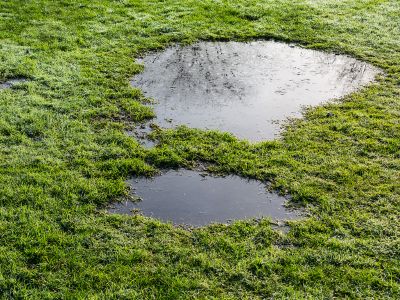
  • Unexplained Growth and Lush Grass: Patches of unexpectedly green grass may suggest underground leaks that are fertilizing the lawn.
  • Unexplained Puddles in the Yard: If pooled water is visible without a known source, it may indicate a leaking sewer line that requires immediate attention.
  • Foul Odors: Persistent sewage smells emanating from drains or around the property could indicate compromised pipes that need thorough inspection.
  • Recurring Clogs: Repeated clogs, despite attempts to clear them, can highlight more significant issues within the sewer lines that need professional investigation.

Assessing the need for camera inspection through these warning signs ensures early problem resolution and prevention of further damage.

Issues Sewer Camera Inspection Can Catch

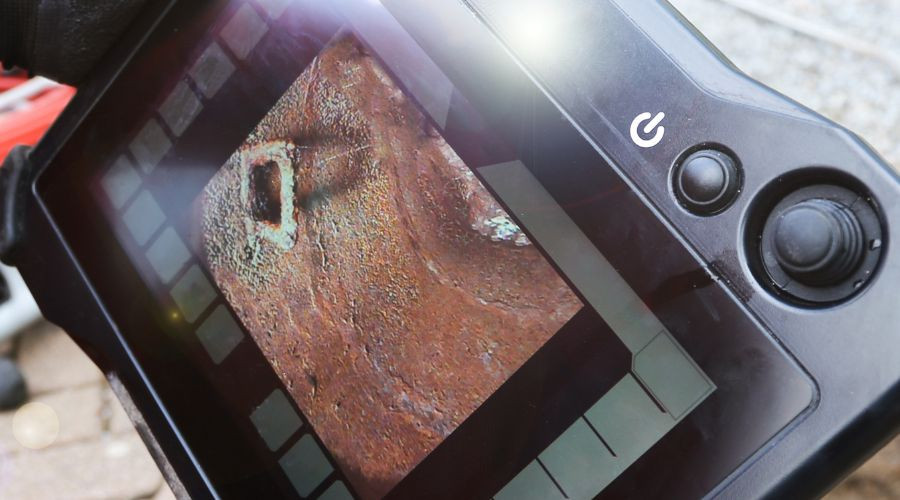
pipes Sewer camera inspections involve threading a small, high-resolution camera through the sewer lines to capture real-time video footage. This allows technicians to visually inspect the interior condition of pipes, identifying any blockages or damage that require attention. 

A sewer camera inspection can reveal various problems within the sewer line, offering homeowners a clear picture of issues affecting their plumbing system. Key issues that a camera inspection may uncover include:

  • Sewer Line Clogs: These can range from minor debris to more severe obstructions, such as grease buildups or items that shouldn’t be flushed, blocking the flow of wastewater.
  • Cracks and Leaks: Even small cracks or leaks can worsen over time, leading to severe water damage or sewage infiltration in the surrounding soil.
  • Corrosion: Corrosion weakens pipes over time, potentially leading to breaks or leaks that require timely intervention to avoid major repairs.
  • Tree Root Intrusion: Roots seeking moisture can infiltrate and damage sewer lines, causing significant blockages or structural damage that requires immediate attention.
  • Pipe Collapse: Severe damage or age can cause sections of the pipe to collapse, obstructing the sewer line and necessitating prompt repair or replacement.

By identifying these issues early, a sewer camera inspection allows homeowners to address problems before they escalate into more serious damage.

Benefits of Sewer Line Video Inspection

To protect your home’s plumbing and avoid disruptive and costly repairs, consider scheduling a sewer video inspection. The benefits of sewer camera inspection extend beyond just pinpointing issues, making it a valuable tool for homeowners:

  • Noninvasive and Prevents Unnecessary Excavation: Unlike traditional methods requiring invasive digging to locate problems, sewer camera inspections allow for minimal disruption, protecting landscaping and driveways from unnecessary damage.
  • Accurate Diagnosis of the Problem: Real-time video footage provides a clear and precise diagnosis, enabling targeted repairs, saving time, and reducing repair costs.
  • Verification After Repairs: Conducting a follow-up inspection post-repair ensures the issues have been effectively resolved and the plumbing system is functioning properly.

These benefits highlight why more homeowners opt for sewer camera inspections to maintain their plumbing system’s integrity.

About DRIP Plumbing

DRIP Plumbing is an experienced plumbing company committed to providing the best customer service experience. They have fully licensed plumbers who undergo a thorough screening process. Call them for sewer video inspection services in Denton, TX.

Hydro Jetting and Its Benefits Explained

Clear Drain and Sewer Line Clogs With Hydro Jet Drain Cleaning

Unlike traditional techniques that may offer only temporary relief or require invasive procedures, hydro jetting delivers a comprehensive solution addressing the root of the plumbing problem. This approach effectively cleans pipes, removing debris, grease, and even tree roots with precision. This blog will explore how hydro jetting works, its advantages over conventional methods, and why it may be ideal for ensuring a seamless, problem-free plumbing system.

How Does Hydro Jetting Work?

hydrojettingHydro jetting is an advanced plumbing technique that clears sewer lines using high-pressure water streams. Unlike conventional methods, it provides a thorough cleaning rather than a temporary fix. 

The process involves inserting a specialized nozzle into the sewer line, which is attached to a hose connected to a machine that pumps water at pressures between 1,500 and 4,000 PSI. This high-pressure water dislodges and washes away all types of clogs and debris.

Hydro jetting handles stubborn blockages, including grease, food waste, mineral deposits, and even invasive tree roots within pipes. Flushing these blockages out not only resolves existing issues but also helps prevent future clogs, ensuring a cleaner and more efficient plumbing system. 

What Signs Indicate Hydro Jetting Is Needed?

sinkRecognizing the signs of a clogged sewer line early can prevent more significant plumbing issues. Hydro jetting is an effective solution for thoroughly cleaning and clearing these blockages. Here are some common signs that indicate it might be time to consider hydro jetting:

  • Slow Draining: If sinks, bathtubs, or showers drain slowly, it may indicate buildup in the pipes. Minor clogs might clear with simple methods, but persistent slow drainage suggests a deeper issue that hydro jetting can resolve by cleaning the pipe walls.
  • Foul Odors: Unpleasant smells from drains indicate waste buildup, causing decomposition in the pipes. Hydro jetting can clear this buildup, restoring freshness.
  • Gurgling Sounds: Gurgling or bubbling noises from drains indicate trapped air due to blockage, suggesting water isn’t flowing smoothly. Hydro jetting can fix this by removing obstructions pathways.
  • Backups: Frequent backups in toilets or drains indicate a significant sewer line clog. Hydro jetting effectively clears these blockages, maintaining smooth drainage and preventing future issues.
  • Recurring Clogs: Recurring minor clogs may suggest significant buildup in the pipes. Hydro jetting effectively removes this buildup, solving the root cause of clogs and ensuring clear pipes.

By being attentive to these signs, homeowners and businesses can take proactive steps to maintain their plumbing systems.

What Are the Benefits of Hydro Jetting?

Hydro jetting is a superior method for cleaning sewer lines and addressing clogs, offering several advantages over traditional drain cleaning techniques such as drain snakes and chemical cleaners. Here are the key benefits that make hydro jetting an effective choice:

  • Thorough Cleaning: Unlike drain snakes that merely punch a hole through clogs, hydro jetting uses high-pressure water jets to thoroughly clear pipes. This washes away all debris, grease, and buildup, leaving pipes completely clean and obstruction-free.
  • No Chemical Use: Hydro jetting uses only water, avoiding harsh chemicals that can damage pipes. This eco-friendly method is safe for plumbing, preserving its integrity and longevity.
  • Prevention of Future Clogs: Hydro jetting cleans pipe walls, removing debris that other methods miss. This reduces future clogs and ensures smooth sewer flow.
  • Effective on Tough Blockages: Hydro jetting clears stubborn clogs like tree roots and grease. Its high-pressure action tackles tough obstructions.
  • Versatility: This method works for both residential and commercial plumbing, addressing issues from maintenance to severe blockages, making it a comprehensive solution for all plumbing needs.

By opting for hydro jetting, individuals and businesses can benefit from a cleaner, more efficient plumbing system that is less prone to recurring issues.

About DRIP Plumbing

DRIP Plumbing is an experienced plumbing company serving northern Denton and Collin Counties. They are a family-owned and operated business committed to providing the best customer service experience. Contact them today for hydro jetting services in Denton, TX.

Distribution Links +

Ways to Identifying Water Leaks

Tips to Help Find and Fix Water Leaks

Water leaks may start small but can quickly escalate into costly issues that threaten a home’s structural integrity and financial well-being. Whether it’s a subtle drip under a sink or a concealed pipe problem behind the walls, undetected leaks waste thousands of gallons of water annually and lead to serious issues like mold growth, rotting wood, and soaring utility bills. On average, a household loses nearly 10,000 gallons of water each year due to easily fixable leaks – enough to wash 270 loads of laundry.

Identifying the warning signs of water leaks early on helps protect a home, save money, and contribute to water conservation efforts. This guide explores the key signs of water leaks and offers practical tips to act as the first line of defense against water damage.

High Water Bills

bills Nobody likes opening a utility bill and seeing a number that makes the jaw drop. But when the water bill suddenly skyrockets without a clear reason—no extra laundry, no backyard water park for the neighborhood kids—it’s time to play detective.
A hidden leak could be the culprit, quietly wasting gallons of water and racking up unnecessary costs. Even a small, slow drip from a pipe or an underground leak can add up fast. And it’s not just about the bill—unchecked leaks can lead to mold, structural damage, and costly repairs down the road.

The sooner the issue is tracked down and fixed, the better. A little investigation and a quick call to a professional could save a bundle—not just on the next bill but in preventing major water damage that no one wants to deal with. So, if the numbers on that bill seem suspiciously high, it’s time to listen to what they might be saying.

Other Signs of a Leak

Water has a way of leaving clues when it’s escaping where it shouldn’t. Some are subtle, others impossible to ignore—but all of them spell trouble. Mysterious damp spots on floors, walls, or ceilings? That’s water making an uninvited appearance. A musty smell that won’t go away? Moisture could be lurking behind the walls, creating a perfect home for mold. Low water pressure out of nowhere? A leak might be diverting the flow before it ever reaches the faucet.

And then there’s the sound—faint dripping, running water when everything’s turned off, a whisper of trouble hiding out of sight. Even an unexpected puddle near appliances or under sinks might be more than just a small spill. Water doesn’t keep secrets for long. Those little warning signs are worth paying attention to before a small leak turns into a big disaster.

Use the Water Meter

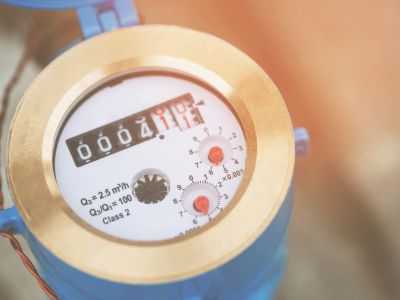
water meter A water meter isn’t just a tool for tracking usage—it can also play detective when a leak is suspected. The process is simple but surprisingly effective.

First, every faucet, appliance, and water-using device needs to be turned off. Nothing should be running—not even the ice maker. Then, a quick look at the meter tells the next part of the story. If the dial or digital readout is still moving, water is flowing somewhere it shouldn’t be. Even if the numbers stay put, the test isn’t over just yet. Waiting about 30 minutes and checking again—without using any water in between—can reveal a slow, hidden leak.

If the meter changes despite no water use, there’s a problem in the pipes. Whether it’s a sneaky underground leak or a slow drip behind the walls, the meter just uncovered a mystery that needs solving.

About DRIP Plumbing

DRIP Plumbing is a family-owned plumbing company serving northern Denton and Collin Counties. For water leak service in Denton, TX, the fully licensed team offers fast response times, on-time service, and transparent pricing, all backed by a commitment to excellent customer service.

Bathroom Remodeling Tips to Transform Your Space

Bathroom Renovation Trends in 2025

Now is an excellent time to consider upgrading your bathroom. Modernizing outdated fixtures and designs can improve comfort, functionality, and overall appearance. A well-planned renovation can turn your bathroom into a relaxing retreat and increase your home’s value. This guide provides expert advice and practical tips from trusted local plumbers to assist homeowners in creating the perfect bathroom and ensure the renovation process is smooth and successful.

Showerheads: Key Differences Between Models

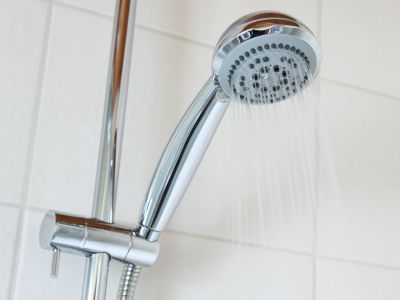
shower head Upgrading the showerhead is a cost-effective way to enhance the bathroom’s comfort and style. Modern showerhead designs offer innovative features tailored to different needs and preferences:

  • Eco-Friendly Options: These showerheads are ideal for conserving water. They maintain a powerful spray while reducing water usage, helping to save on utility bills and supporting sustainability.
  • Luxury Rain Showerheads: These showerheads add a spa-like touch to daily routines. They feature a unique design that mimics the soothing feel of natural rainfall, creating a serene and indulgent bathing experience.
  • Multi-Function Showerheads: These versatile options, with adjustable settings ranging from massaging streams to gentle mist sprays, allowing to customize showers for relaxation or rejuvenation.

Switching to a new showerhead boosts functionality and refreshes the bathroom’s appearance with a modern upgrade. This simple improvement combines practicality with elegance, making it a small change that delivers big results.

When to Schedule a Vanity or Bathroom Sink Replacement

Revitalizing key elements like the sink, bathroom faucet, and vanity can breathe new life into a bathroom, turning it into a stylish and functional retreat. These upgrades improve daily convenience and elevate the space’s overall appeal, creating a sophisticated and welcoming vibe that homeowners love.

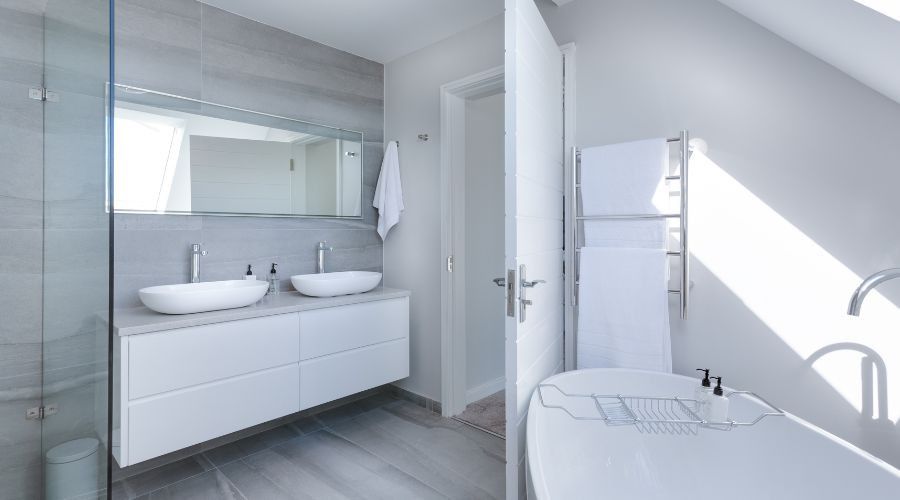
  • Dual Sink Vanities: Perfect for shared bathrooms, these options improve efficiency while providing extra storage to keep the space tidy and organized.
  • Modern Vanity Designs: Sleek styles, such as wall-mounted vanities, save floor space and lend a clean, contemporary vibe to the room.
  • Statement Faucets: Eye-catching designs in finishes like brushed nickel or bold bronze add an elegant touch, serving as both functional elements and decorative highlights.

Upgrading the vanity area blends practicality with style, turning the bathroom into a more functional and visually appealing space that complements the rest of the home.

Signs Bathtub Installations Are Needed

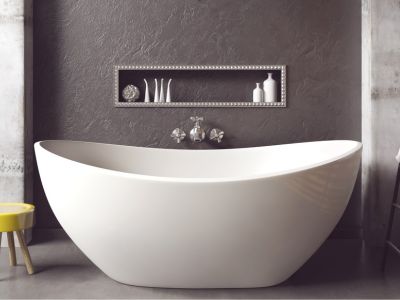
bathtub Incorporating a bathtub into the bathroom design can create a tranquil escape, perfect for relaxation and self-care. There are various tub styles to explore that will match different tastes and needs:

  • Freestanding Tubs: These stylish, standalone fixtures serve as eye-catching centerpieces, adding a touch of luxury and sophistication to any bathroom.
  • Alcove Tubs: These built-in options combine practicality with a streamlined design for smaller spaces. They often include smart storage features to maximize functionality.
  • Hydrotherapy Tubs: Equipped with soothing jets, these tubs deliver a spa-like experience, ideal for unwinding sore muscles and achieving ultimate relaxation.
  • Deep-Soak Tubs: Designed for complete immersion, these tubs provide a peaceful retreat to relax and recharge fully.

Installing a bathtub improves the bathroom’s comfort and versatility and boosts the home’s aesthetic appeal and overall market value, making it a worthwhile upgrade for any renovation.

About DRIP Plumbing

The team at DRIP Plumbing provides top-rated plumbing services to the Denton area. A family-owned and operated company, their trusted and licensed plumbers offer same-day services. Call them today for bathroom renovations in Denton, TX.

What To Do During Sewer Line Back-Up

Steps To Take When a Sewer Line Is Backed Up

A sewer line backup is a nightmare scenario for any homeowner, threatening costly property damage and significant health hazards.

Sewage water often contains harmful bacteria, viruses, and parasites that can cause various illnesses, including gastroenteritis, hepatitis, and skin infections. Moreover, sewer backups can unleash toxic chemicals and gases, posing serious risks, including respiratory issues and other health concerns.

Such incidents can also disrupt daily routines by impacting other plumbing components. Identifying the common causes of sewer line backups and adopting effective prevention and repair strategies can help save time and money and avoid unnecessary stress.

Local plumbers share essential insights into why sewer line backups happen, how to fix them, and proactive steps to prevent future issues. This knowledge empowers households to protect their homes and maintain a healthy environment.

Reasons For Frequent Sewer Line Backups

tree roots Sewer backups occur when sewage or wastewater rises through sinks, toilets, or drains. This typically happens when a blockage obstructs the sewer pipe, preventing wastewater from flowing properly.
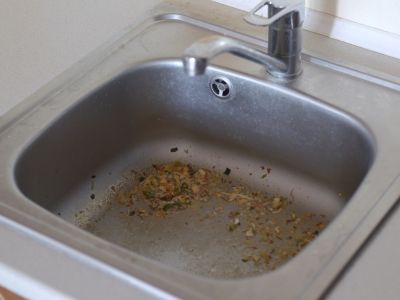
Regular sewer line clogs can be a major hassle, interrupting everyday life and causing stress for everyone involved. When these blockages happen often, it usually means bigger plumbing issues need to be addressed quickly. 

Figuring out why these stubborn blockages keep happening is important for finding ways to fix them and ensuring the sewer system works well over the long haul. Some common reasons for these ongoing issues include:

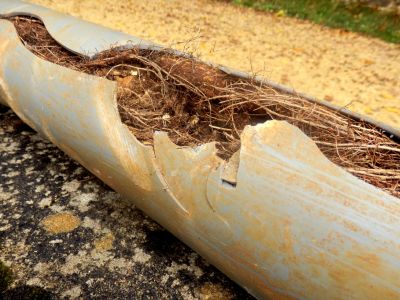
  • Tree Root Infiltration: Tree roots naturally look for water, often leading to sewer pipes. Over time, these roots can grow into the pipes, leading to clogs, cracks, and even serious damage.
  • Clogs and Blockages: Grease, bits of food, sanitary products, and wipes can build up in our pipes every day. This buildup can cause tough blockages that slow water flow and lead to backups.
  • Crushed or Broken Pipes: Moving dirt, building projects, or using heavy machinery can damage sewer pipes. This damage can lead to the pipes cracking, breaking, or becoming out of place, which can block the flow of waste and cause backups.
  • Age and Wear and Tear: Older sewer lines, particularly those made from clay or cast iron, can deteriorate over time. This natural aging process makes them more susceptible to leaks, cracks, and other structural failures.

Knowing the cause of a sewer line backup is necessary for effective repair. We can implement the best solution and prevent future issues by understanding whether it’s due to clogs, tree roots, or pipe damage.

How to Fix a Backed-Up Sewer Line

A backed-up sewer line is more than just a minor plumbing problem. It’s important to seek the help of a professional plumber to assess the situation properly. The method for clearing the blockage can vary greatly depending on the root cause. Below is an overview of some common professional solutions used to address these issues:

  • Sewer Camera Inspection: Plumbers insert a high-resolution camera into the sewer line during sewer video inspections to pinpoint the exact location and nature of the issue. This non-invasive method accurately identifies blockages, cracks, or collapsed sections, allowing for targeted repairs.
  • Hydro Jetting: Dealing with clogged pipes due to grease, dirt, or mineral buildup can be frustrating. Hydro jetting is a great solution to this problem. This method uses powerful water jets to clean the inside of pipes, helping restore good water flow. It’s an effective and eco-friendly way to keep plumbing systems running smoothly.
  • Trenchless Sewer Repair: For sewer lines damaged by tree roots, shifting soil, or aging, trenchless pipe lining or bursting can repair the pipe without extensive excavation. These solutions minimize property disruption and efficiently restore the sewer line.
  • Root Removal and Prevention: When tree roots invade sewer lines, specialized tools are used to eliminate them and restore the pipes. Plumbers also apply root-inhibiting treatments to prevent future growth during maintenance.

Regardless of the method, homeowners must hire a professional plumber to diagnose and address the issue properly. DIY attempts often exacerbate the problem or result in incomplete repairs, leading to more costly issues.

Ways to Prevent Sewer Line Backups

clogThe top advice from every professional plumber is never to overlook routine plumbing system maintenance. In addition, they recommend these key steps to help homeowners prevent costly and disruptive sewer problems:

  • Flush Only Toilet Paper and Waste: When using the toilet, only toilet paper and human waste should be flushed. Items such as wipes, paper towels, feminine hygiene products, and dental floss should be thrown in the trash, as they can easily lead to blockages.
  • Proper Grease Disposal: Do not pour grease, fats, or oils down the drain. These substances can harden inside pipes, creating stubborn blockages over time. Instead, collect grease in a disposable container and throw it in the trash.
  • Install a Backwater Valve: A backwater valve can be a game-changer, preventing sewage from flowing back into the home during heavy rain or sewer line backups.
  • Schedule Routine Maintenance: Regular plumbing inspections and professional drain cleaning are key to catching minor issues before they escalate. Preventative measures like hydro jetting can keep lines clear and functioning efficiently.
  • Act Quickly on Warning Signs: If slow drains, gurgling noises, or foul odors appear, call a plumber immediately. Early intervention can prevent minor clogs from developing into severe sewer line backups.

About DRIP Plumbing

DRIP Plumbing is a family-owned business that delivers exceptional plumbing services to Northern Denton County. We take pride in offering same-day services and employ licensed plumbers who are trusted professionals. For reliable sewer line repairs in Denton, TX, please contact us today.