Sewer Camera Inspection Explained
Sewer lines are crucial components of a home’s plumbing system, yet they often remain out of sight and out of mind until problems arise. Understanding the need for and process of a sewer camera inspection can save homeowners from costly and invasive repair methods. Here’s a deeper look into the reasons for conducting a sewer video inspection and the benefits of this non-invasive method.
Signs Sewer Video Inspection Is Needed
 By utilizing advanced technology, sewer inspections with a camera enable professionals to accurately diagnose and address issues without the need for digging up yards, providing a smarter and less intrusive solution.
There are several warning signs suggesting a sewer video inspection may be necessary. Early detection of these problems can prevent severe damage and costly repairs:
- Slow Drains: Drains that empty water more slowly than usual may indicate a blockage within the sewer line, which requires removal to allow normal water flow.
- Backups: Frequent sewage backups can lead to unsanitary living conditions, indicating that the sewer line may be obstructed or damaged.
- Gurgling Sounds from Drains: Unusual noises may indicate air trapped within the pipes due to a blockage, which a camera inspection can quickly locate.
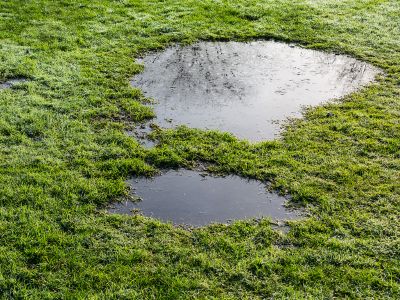
- Unexplained Growth and Lush Grass: Patches of unexpectedly green grass may suggest underground leaks that are fertilizing the lawn.
- Unexplained Puddles in the Yard: If pooled water is visible without a known source, it may indicate a leaking sewer line that requires immediate attention.
- Foul Odors: Persistent sewage smells emanating from drains or around the property could indicate compromised pipes that need thorough inspection.
- Recurring Clogs: Repeated clogs, despite attempts to clear them, can highlight more significant issues within the sewer lines that need professional investigation.
Assessing the need for camera inspection through these warning signs ensures early problem resolution and prevention of further damage.
Issues Sewer Camera Inspection Can Catch
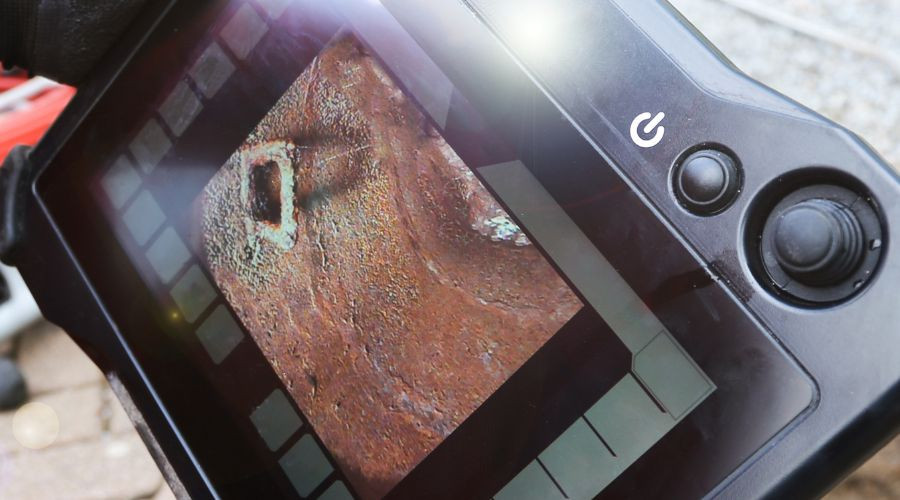
 Sewer camera inspections involve threading a small, high-resolution camera through the sewer lines to capture real-time video footage. This allows technicians to visually inspect the interior condition of pipes, identifying any blockages or damage that require attention.
A sewer camera inspection can reveal various problems within the sewer line, offering homeowners a clear picture of issues affecting their plumbing system. Key issues that a camera inspection may uncover include:
- Sewer Line Clogs: These can range from minor debris to more severe obstructions, such as grease buildups or items that shouldn’t be flushed, blocking the flow of wastewater.
- Cracks and Leaks: Even small cracks or leaks can worsen over time, leading to severe water damage or sewage infiltration in the surrounding soil.
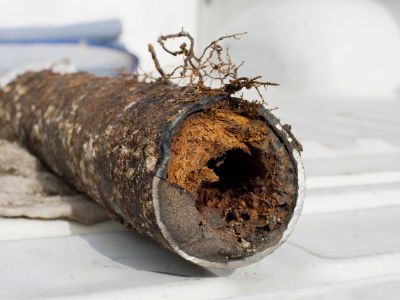
- Corrosion: Corrosion weakens pipes over time, potentially leading to breaks or leaks that require timely intervention to avoid major repairs.
- Tree Root Intrusion: Roots seeking moisture can infiltrate and damage sewer lines, causing significant blockages or structural damage that requires immediate attention.
- Pipe Collapse: Severe damage or age can cause sections of the pipe to collapse, obstructing the sewer line and necessitating prompt repair or replacement.
By identifying these issues early, a sewer camera inspection allows homeowners to address problems before they escalate into more serious damage.
Benefits of Sewer Line Video Inspection
To protect your home’s plumbing and avoid disruptive and costly repairs, consider scheduling a sewer video inspection. The benefits of sewer camera inspection extend beyond just pinpointing issues, making it a valuable tool for homeowners:
- Noninvasive and Prevents Unnecessary Excavation: Unlike traditional methods requiring invasive digging to locate problems, sewer camera inspections allow for minimal disruption, protecting landscaping and driveways from unnecessary damage.
- Accurate Diagnosis of the Problem: Real-time video footage provides a clear and precise diagnosis, enabling targeted repairs, saving time, and reducing repair costs.
- Verification After Repairs: Conducting a follow-up inspection post-repair ensures the issues have been effectively resolved and the plumbing system is functioning properly.
These benefits highlight why more homeowners opt for sewer camera inspections to maintain their plumbing system’s integrity.
About DRIP Plumbing
DRIP Plumbing is an experienced plumbing company committed to providing the best customer service experience. They have fully licensed plumbers who undergo a thorough screening process. Call them for sewer video inspection services in Denton, TX.
)
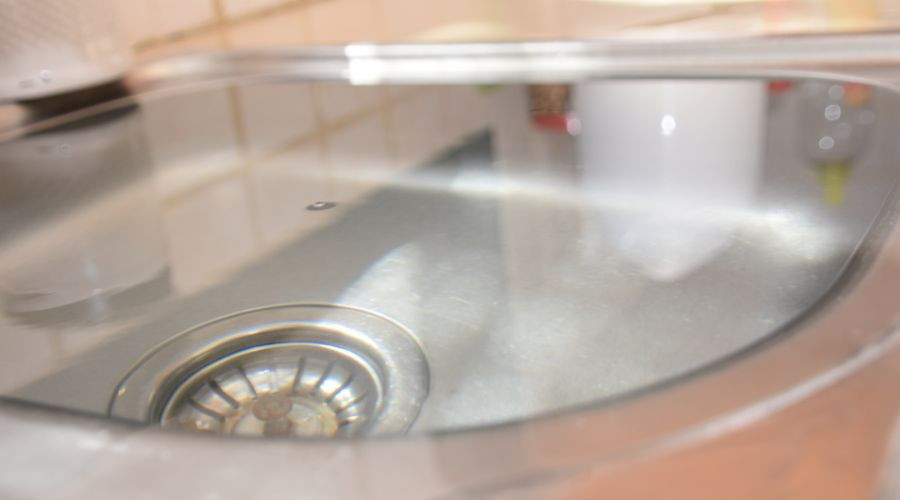
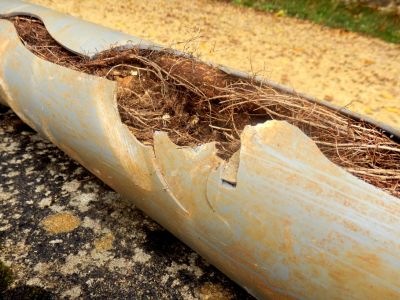 Sewer backups occur when sewage or wastewater rises through sinks, toilets, or drains. This typically happens when a blockage obstructs the sewer pipe, preventing wastewater from flowing properly.
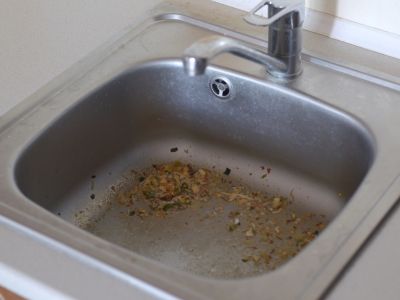 The top advice from every professional plumber is never to overlook routine plumbing system maintenance. In addition, they recommend these key steps to help homeowners prevent costly and disruptive sewer problems:
)