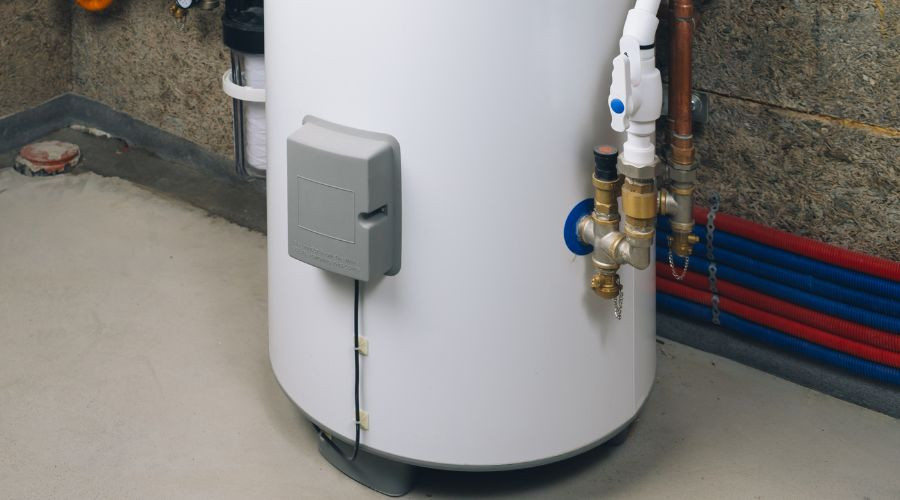
Pros and Cons of Different Water Heaters
Choosing between an electric water heater and a gas water heater can feel challenging, especially when rising utility bills add financial pressure. For households seeking savings and simplified home maintenance, this guide provides expert insights into the benefits and drawbacks of gas and electric heaters, as well as key factors to consider before making a decision on water heater installation.
Gas Water Heater
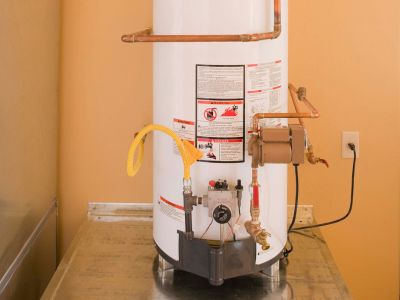 A gas water heater offers faster heating capabilities and lower monthly energy costs than electric models, making them a more economical choice. These systems also heat water nearly twice as fast as electric water heaters.
However, gas water heater installation involves several important safety considerations. Gas leaks present serious fire and health risks if not properly managed. These units require professional setup, including the installation of a safe gas line and adequate venting systems to expel combustion gases.
The infrastructure required can be a significant deterrent for homeowners focused on limiting upfront expenses, as homes without existing gas service may face installation costs that range into the thousands for new gas line connections. Additionally, creating proper venting through walls or roofs increases complexity, making gas water heaters less ideal for certain home layouts or multifamily buildings.
Electric Water Heater
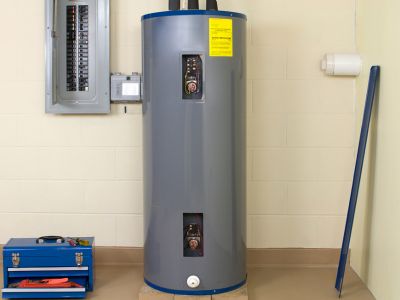 An electric water heater offers reliable hot water delivery through simple resistance heating elements. These models are especially appealing due to their easier installation and enhanced safety features. Electric water heater installation costs less than gas alternatives, as there’s no need for venting or gas lines.
Electric water heaters also provide a safety advantage. They eliminate the risks associated with gas leaks, carbon monoxide, and combustion. Additionally, electric models tend to outlast gas units by several years.
That said, electric water heaters have higher long-term operating costs. This results in electrical models costing up to twice as much as their gas heater counterparts annually. Electric systems are also vulnerable during a power outage, becoming inoperative until service is restored.
Factors to Consider Before Installation
Existing infrastructure significantly influences the choice between an electric or gas water heater. The threat of power outages makes a gas water heater a more resilient option for uninterrupted hot water access, as gas models do not rely on electricity, and they continue to function during outages.
However, gas water heater installation requires access to natural gas lines or propane. New gas hookups may cost between hundreds and even thousands of dollars, depending on the home’s configuration and the utility provider’s requirements. For properties already equipped with gas appliances, these installations may be more straightforward.
Safety remains a key factor. Electric water heaters avoid the hazards associated with gas leaks and carbon monoxide exposure. They typically require only an electrical connection and minimal ventilation. In contrast, gas units demand expert installation to ensure proper leak prevention and combustion gas venting. For many homeowners, the peace of mind that comes with choosing an electric model is a decisive factor.
About DRIP Plumbing
DRIP Plumbing is a family-owned and operated company providing reliable plumbing services in Denton and the surrounding areas. They pride themselves on integrity and compassion, offering honest answers and fair pricing on the latest technology from trusted plumbers. Call them now for water heater repairs and installations in Denton, TX.
)
Distribution Links +
- https://pr.wncbusiness.com
- https://pr.ashlandtownnews.com
- https://pr.franklintownnews.com
- https://pr.hopedaletownnews.com
- https://pr.naticktownnews.com
- https://pr.millismedwaynews.com
- https://pr.norfolkwrenthamnews.com
- https://pr.greenvillebusinessmag.com
- https://pr.columbiabusinessmonthly.com
- https://pr.millcreekjournal.com
- https://pr.midvalejournal.com
- https://pr.southjordanjournal.com
- https://pr.valleyjournals.com
- https://pr.wvcjournal.com
- https://pr.cottonwoodheightsjournal.com
- central.newschannelnebraska.com
- metro.newschannelnebraska.com
- southeast.newschannelnebraska.com
- northeast.newschannelnebraska.com
- plattevalley.newschannelnebraska.com
- panhandle.newschannelnebraska.com
- rivercountry.newschannelnebraska.com
- lifestyle.mykmlk.com
- lifestyle.3wzfm.com
- lifestyle.southernsportstoday.com
- lifestyle.thepodcastpark.com
- lifestyle.680thefan.com
- lifestyle.xtra1063.com
- lifestyle.953hlf.com
- lifestyle.rewind1019.com
- lifestyle.us983.com
- lifestyle.countrylegends1059.com
- lifestyle.967wshv.com
- lifestyle.1045thedan.com
- lifestyle.kbew98country.com
- lifestyle.kccrradio.com
- lifestyle.capitalcityrock.com
- lifestyle.current943.com
- lifestyle.beaconseniornews.com
- lifestyle.chattahoocheevalleyliving.com
- lifestyle.easthanoverflorhamparklife.com
- lifestyle.effinghammagazine.com
- lifestyle.egcitizen.com
- lifestyle.fredericksburgparent.net
- lifestyle.ghlifemagazine.com
- lifestyle.hendersonvillemagazine.com
- lifestyle.thedam.fm
- lifestyle.hotcountry931.com
- lifestyle.pierrecountry.com
- lifestyle.kotaradio.com
- lifestyle.q923radio.com
- lifestyle.kynt1450.com
- lifestyle.all80sz1063.com
- lifestyle.myeaglecountry.com
- lifestyle.middletownlifemagazine.com
- lifestyle.newarklifemagazine.com
- newsnetmedia.com
- atlanta.newsnetmedia.com
- augusta.newsnetmedia.com
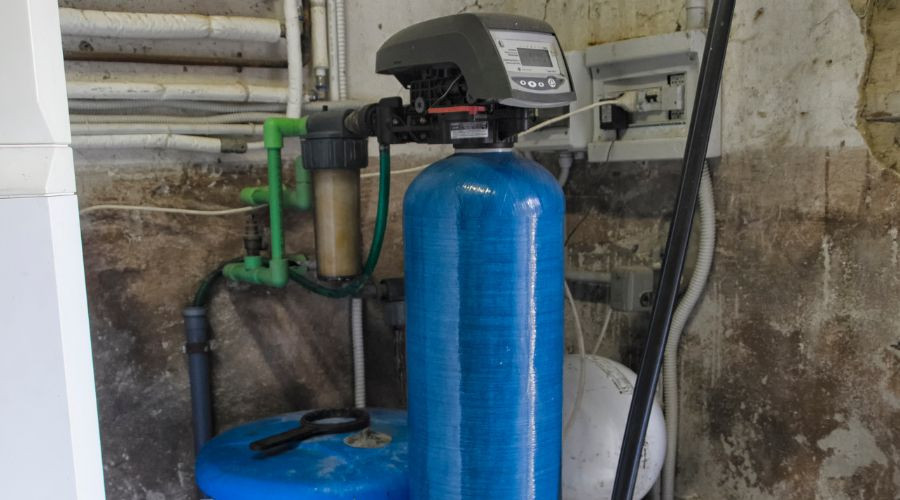
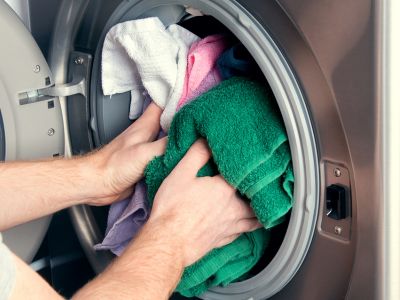
 Water softeners contribute to better personal care by eliminating the minerals that can irritate skin and damage hair. Hard water leaves a soapy residue that clogs pores and strips away natural oils, leading to dryness, irritation, and flakiness. When bathing or showering in softened water, skin retains more moisture and feels noticeably smoother.
)
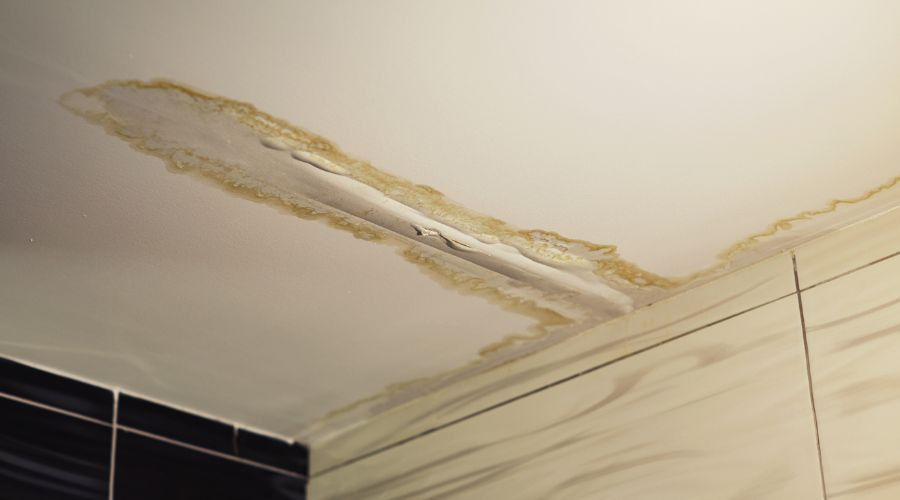
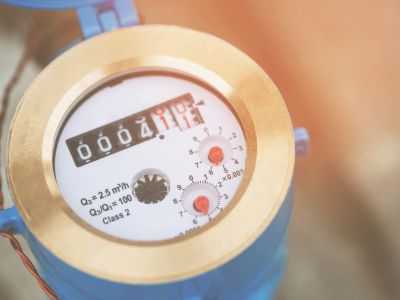
 Nobody likes opening a utility bill and seeing a number that makes the jaw drop. But when the water bill suddenly skyrockets without a clear reason—no extra laundry, no backyard water park for the neighborhood kids—it’s time to play detective.
 A
A )
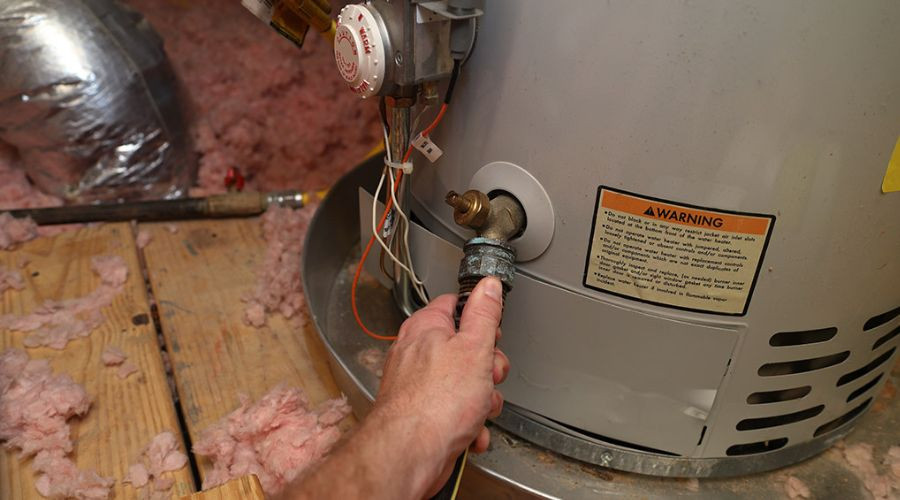
 A gradual increase in utility bills can signal reduced efficiency in your water heater’s operation. Several factors can contribute to higher water or energy bills, including:
 Water heaters should not make strange noises. If homeowners hear
 )
 There are numerous ways to conserve water while performing daily tasks that involve water. Family members might not realize how much water they may be wasting during regular hygiene, landscaping, and cleaning tasks. One way to reduce water usage is by turning off the water while brushing their teeth and shaving because leaving the water running during these tasks can waste a lot of water over time. They can also reduce the amount of time they let the shower run.
 Property owners can also save water and reduce their water bills by installing new, water-saving plumbing fixtures to replace old and inefficient fixtures. Some popular fixtures that can reduce how much water a household uses are
 )